Everyone wants to be the greenest brand in the room, but saying 'eco-friendly' on a box is a dangerous game these days. Regulators are watching, customers are cynical, and one wrong word can land you in a PR disaster. it's so easy to slip into greenwashing without even meaning to, just by using a vague buzzword to make your packaging sound a bit nicer than it really is.
The trap of vague labels
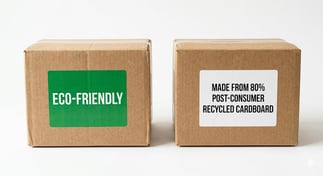
The problem with words like 'green', 'sustainable', or 'earth-friendly' is that they mean absolutely nothing to the average person, if you can't define exactly what they mean for that specific box, you should just bin the wording. The European Commission is pushing hard on the Green Claims Directive, and they are saying that if you can't back it up with data, you can't say it.
Specificity is your best friend when it comes to compliance. Instead of saying 'this is a green box', try saying 'this box is made from 80% post-consumer recycled cardboard'. One is a marketing wish, the other is a fact you can put on a spreadsheet.
Recyclable vs recycled
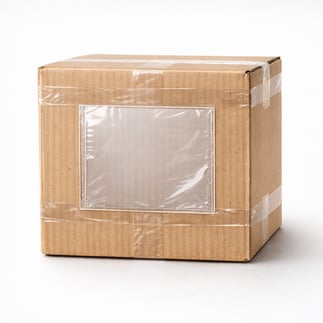
This is where most people get caught out. You might have used 100% recycled material to make the box, but if a non-recyclable sticky label is attached to the front of the box, which makes it impossible to re-process and your end user can't recycle the box.
The UK Green Claims Code demands that your claims reflect the full life cycle of the product. If a local council does not accept a certain type of plastic in their kerbside collection, you can't call it 'widely recyclable' just because it's technically capable of being melted down. You must be honest about where that packaging is likely to end up.
Honesty beats perfection
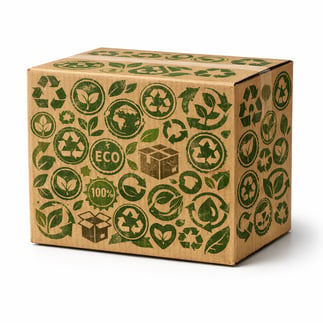
We have all seen those boxes plastered with a dozen different icons that look like official badges but mean little, just cluttering the design to make customers more confused.
- Tell the truth about limitations
If your packaging is only 30% recycled because that is all the supply chain allows right now, just say that. People trust brands that admit they are on a journey rather than those pretending they have already reached the finish line.
- Avoid the 'hidden trade-off'
Don't claim a box is sustainable because it's plastic-free if you have replaced it with a material that is ten times heavier and requires way more carbon to transport and manufacture. That is just shifting the environmental cost to a different column.
- Keep the evidence handy
You should have a file that explains every single green claim you make. If you ever get an email from a regulator or a curious customer, you want to be able to pull up the certificate or the LCA data without a frantic scramble.
The best way to stay out of trouble is to stop thinking about your packaging as a marketing tool and start thinking about it as a piece of supply chain evidence. If it's just a box, call it a box. If it's a recycled box, explain where the material came from.
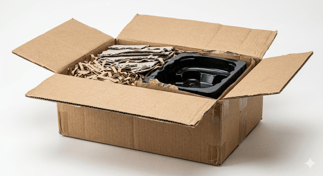
Allpack can assist with providing evidence for your consumables green credentials as clients can access their own Packaging Weight Reports and Carbon Reports within their own portal area to help substantiate their environmental qualifications.
To start you on this journey we can provide you with a quick audit of your weights and recycled content percentages, which can often reveal a path to both lower taxes and better sustainability credentials. Send us a message, email sales@allpack.uk.com, or phone us on 01543 396 700 to find out more. We are always happy to have a practical conversation about how this could work for your business and help you navigate these changes without the headache.