
It feels like only yesterday we were all scrambling to understand the initial rollout of the Plastic Packaging Tax (PPT) in 2022. Fast forward 4-years to 2026, and while the dust has mostly settled, the financial implications are quietly growing. If you are running an ecommerce operation, the 'set it and forget it' approach to compliance is becoming a bit of a risky strategy, especially as the costs of staying with virgin plastics continue to climb.
The new numbers for 2026
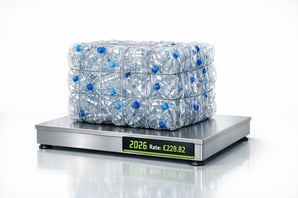
First things first, let us talk about the price. As of 1 April 2026, the PPT rate has increased to £228.82 per tonne. It is an inflation-linked jump from last year’s £223.69, which might not seem like a deal-breaker on a single parcel, but when you are moving thousands of units a week, that extra weight on the balance sheet starts to feel quite heavy.
As you might expect, the registration threshold remains at 10 tonnes of plastic packaging manufactured or imported within a rolling 12-month period. The 'rolling' part is where some businesses trip up; it is not based on your fiscal year, but rather a look back at the last 12 months at the end of every single month. If you have had a bumper Christmas peak and imported more mailers than usual, you might find yourself hitting that limit sooner than you planned.
What is exempt from the tax?
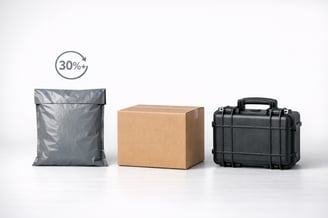
The golden rule is still the 30% threshold. If your packaging contains 30% or more recycled plastic, you do not pay the tax. However (and this is a big ‘however’ that catches users out) you still must count that weight toward your 10-tonne registration limit.
Beyond the recycled content, there are specific exemptions that are particularly relevant for niche ecommerce sectors:
- Immediate packaging of licensed human medicine
Essential for healthcare-focused retailers. - Long-term storage
Items designed to be used for the life of the product, like a heavy-duty power tool case or a jewel case for a high-end watch. - The 'predominant material' rule
If your packaging is a mix of materials (like a paper padded mailer with a thin plastic liner), it is only taxed as plastic if plastic is the heaviest single component. According to GOV.UK guidance, if you have 4g of paper and 3g of plastic, the whole object is 'paper' for PPT purposes.
The pre-consumer waste 'loophole' is closing
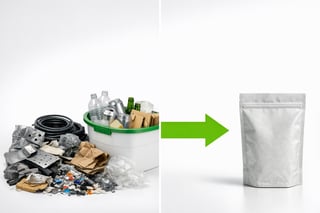
If you are currently patting yourself on the back because your supplier uses factory offcuts (pre-consumer waste) to hit that 30% recycled mark, you need to start looking at the horizon. While it is still valid for 2026, the government has signalled that from April 2027, only post-consumer waste will count toward the exemption.
This is a significant shift. It means the 'recycled' plastic in your bags will need to have lived a life as a consumer product before being reborn as your packaging. Industry experts at Smithers have noted that this is intended to drive a truly circular economy, but for the average ecommerce manager, it simply means your supply chain is about to get a lot more scrutinised.
Audit your materials now!
If you have not reviewed your packaging specifications in the last 18-months, there is a high chance you are either paying more tax than you need to or, worse, you are sitting on a compliance time bomb. Assessing the Total Cost of Ownership (TCO) is not about the unit price of a bag anymore; it is about the tax, the reporting admin, and the potential brand damage of using 'taxable' materials.
If you are reviewing your packaging setup this year, now is a sensible time to take a closer look at your material data sheets. A quick audit of your weights and recycled content percentages can often reveal a path to both lower taxes and better sustainability credentials. Send us a message, email sales@allpack.uk.com, or phone us on 01543 396 700 to find out more. We are always happy to have a practical conversation about how this could work for your business and help you navigate the 2026 changes without the headache.