Custom packaging has a reputation for being slow. Or complicated. Or unpredictable. In reality, most delays are not caused by one big issue. They happen because the process involves more stages than people realise, and one small bottleneck early on can quietly shift everything that follows.
If you are planning a product launch, a rebrand, or a packaging transition, understanding what actually happens between 'we need new packaging' and delivery on site can save a lot of stress later. This is not really about adding weeks unnecessarily. Fundamentally, it's about setting realistic expectations so projects move properly instead of reactively.
What Actually Happens Between Concept and Production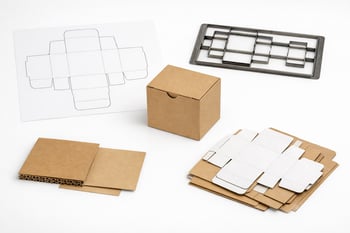
From the outside, bespoke packaging quite often looks like a design exercise followed by printing. It's actually closer to a staged development process. Once the concept is agreed, the structural design needs to be finalised. That includes dielines, material selection, weight tolerances and load considerations. If the packaging needs to stack, ship internationally, or protect fragile contents, those factors are worked through before print even enters the conversation.
Artwork is then applied to structural files. Proofs are generated. Colour accuracy is checked. Substrates behave differently depending on finish and coating, which sometimes means minor adjustments after the first round.
Industry analysis from Smithers shows that packaging development cycles increasingly include sustainability checks and material optimisation as standard, adding another layer of validation before production is signed off.
How Sampling and Prototyping Affect Timelines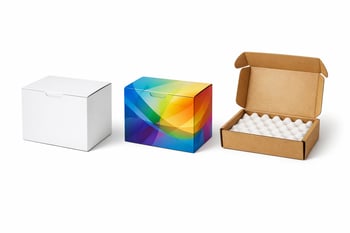
Sampling is often where expectations and reality go in separate directions. There are usually several stages here. A plain white structural sample confirms dimensions and fit. Then a printed proof checks the layout and colour. If transit performance matters, some businesses also conduct drop testing or compression testing before approval. Each round requires review time. Internal sign-off. Occasionally revisions.
Packaging Europe frequently highlights how prototyping and short-run digital sampling have improved speed in the industry, but iteration cycles still influence final lead times more than most buyers anticipate.
Compliance and Labelling Sign-Off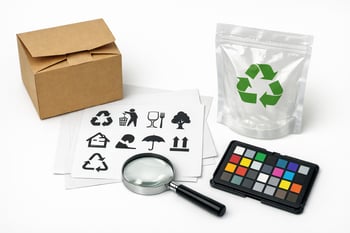
Depending on the sector, compliance can extend a project timeline quite considerably. Food contact packaging, for example, requires material compliance with relevant regulations. The European Commission provides detailed guidance on food contact materials and migration requirements.
Environmental claims are another area where review matters. Claims about recyclability or compostability have to line up with current guidance and infrastructure reality. Incorrect labelling can quite easily create reputational and regulatory issues later on.
Ultimately, compliance calls for deliberate checks before print approval, especially if specifications have changed.
Production Scheduling and Capacity Windows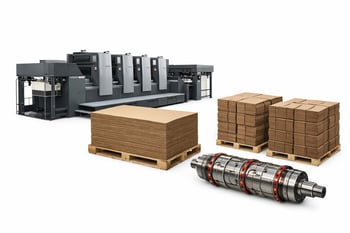
Even once everything is approved, production is not always immediate. Printers and converters plan press schedules in advance. Tooling may need to be manufactured for bespoke structures. Minimum order quantities can affect slot availability.
The British Printing Industries Federation regularly reports on capacity planning challenges in the UK print sector, particularly during peak seasonal periods. What this means in practice is simple. A fully approved project still needs to fit into a production window. During busy periods, those windows book quickly.
The Impact of Late Changes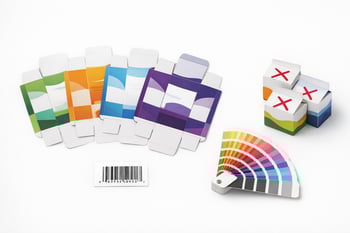
Late artwork amendments are one of the most common causes of timeline compression. A new barcode, an updated ingredient list, a minor legal line adjustment. Individually, these changes seem fairly small. Collectively, they can quite easily reset proofing cycles or require updated compliance checks.
Operations teams often feel pressure to 'just squeeze it in.' Sometimes that works. Sometimes it increases risk. A more sustainable approach is to build review time into the early stages, allowing space for internal stakeholders to sign off before artwork is released to print.
Treat Bespoke Packaging as a Project and Not a Purchase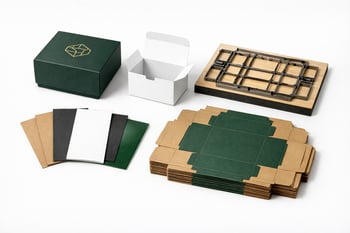
Custom packaging is a managed process with design, validation, and production stages that need sequencing. When those stages are understood and allowed to run properly, bespoke projects move smoothly and largely without issue. When they are condensed into unrealistic windows, friction inevitably crops up.
If you are planning a new product launch or transitioning packaging formats this year, the most effective step is simply starting the conversation early.
If you would like to talk through realistic timelines for your specific packaging requirements, we are always happy to help. You can send us a message, email sales@allpack.uk.com, or call 01543 396 700 to discuss your project and map out practical next steps.