Plastic Packaging Tax & Compliant Packaging
Plastic Packaging Tax Explained
The UK Plastic Packaging Tax (PPT) was introduced on 1 April 2022 to encourage greater use of recycled plastic within packaging. It applies to plastic packaging manufactured in or imported into the UK that contains less than 30% recycled plastic.
For businesses looking to reduce their exposure to Plastic Packaging Tax while improving the recycled content of their packaging, Allpack offers a growing range of packaging solutions designed with sustainability and compliance in mind.

What is the Plastic Packaging Tax?
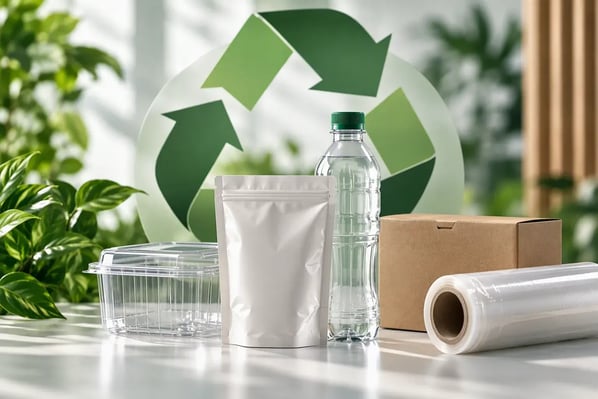
Plastic Packaging Tax applies to finished plastic packaging components manufactured in, or imported into, the UK where the recycled plastic content is below 30%.
From 1 April 2026, the tax rate is £228.82 per tonne of chargeable plastic packaging.
The tax is intended to create an economic incentive for businesses to increase the amount of recycled material used in plastic packaging and stimulate greater collection and recycling of plastic waste.
PPT at a glance
-
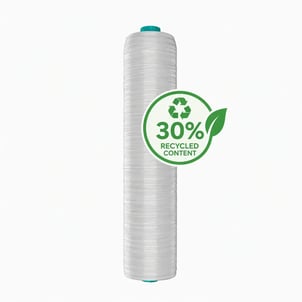
30% recycled plastic: Packaging containing at least this amount meets the recycled-content threshold for the tax.
£228.82 per tonne: Current tax rate from 1 April 2026.
- 10 tonnes: Manufacturers and importers reaching 10 tonnes of plastic packaging must register with HMRC, including where their packaging contains 30% or more recycled plastic.
-
Quarterly returns: Registered businesses are required to submit returns to HMRC.
Who is responsible for Plastic Packaging Tax?
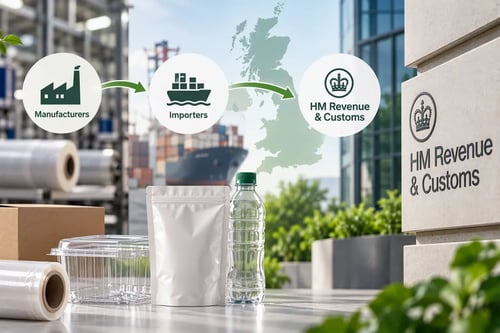
Responsibility for PPT generally falls on businesses that manufacture finished plastic packaging in the UK or import plastic packaging into the UK.
For plastic packaging manufactured in the UK, responsibility for accounting for PPT generally sits with the manufacturer. Where plastic packaging is imported into the UK, responsibility can fall on the importer.
Allpack is registered for Plastic Packaging Tax and identifies products requiring PPT through its MRP system, enabling the relevant information to be reported for its PPT obligations.
Important: PPT obligations depend on your individual circumstances. Customers should refer to current HMRC guidance or seek appropriate professional advice when determining their own tax liability.
Choose Plastic Packaging Tax Compliant Products
One of the most effective ways to reduce the amount of packaging potentially subject to PPT is to choose products containing 30% or more recycled plastic, where suitable for your application.
Allpack can help businesses identify packaging options that meet this recycled-content threshold without compromising the protection, performance or efficiency required by their packing operation.


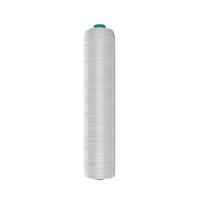
Pallet Wrap
Explore recycled-content pallet wrapping solutions designed to secure loads efficiently while supporting your packaging sustainability objectives.
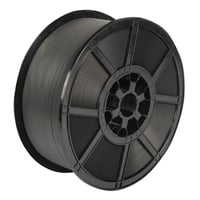
Strapping
Selected Allpack polypropylene strapping contains more than 30% recycled plastic, meeting the recycled-content threshold for Plastic Packaging Tax.
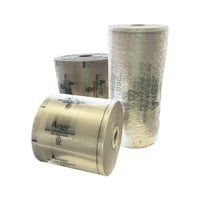
Air Pillow & Void Fill Film
Allpack's Airpac™ system supports Plastic Packaging Tax compliant air pillow films, providing lightweight and material-efficient protective void fill for fulfilment and packing operations.
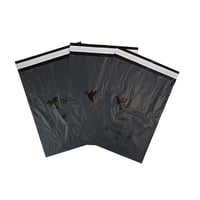
Bags, Polythene Packaging, and more
Talk to our team about recycled-content alternatives across our wider plastic packaging range and the options available for your specific application.
Why Choose PPT-Compliant Packaging?
Moving towards packaging with higher levels of recycled plastic can help businesses:
- reduce their reliance on virgin plastic;
-
support demand for recycled materials;
-
reduce exposure to Plastic Packaging Tax where the relevant requirements are met;
- support wider packaging sustainability objectives; and
-
prepare their packaging strategy for evolving environmental legislation.
The tax was specifically introduced to incentivise the use of recycled plastic and help stimulate recycling and collection of plastic waste.

More Than Plastic Packaging Tax
Plastic Packaging Tax is just one part of the wider packaging compliance landscape. Allpack can help businesses navigate evolving requirements around recycled content, recyclability, packaging minimisation and material composition. For businesses supplying products into the EU or Northern Ireland, our PPWR guidance also provides practical information on the Packaging and Packaging Waste Regulation and its developing compliance requirements.
Need Help Finding PPT-Compliant Packaging?
Not sure whether there is a recycled-content alternative to your existing packaging?
Our Packaging Specialists can review your current requirements and help identify suitable packaging solutions with increased recycled content, including products that meet the 30% recycled plastic threshold for Plastic Packaging Tax.
Talk to the Allpack team today to review your packaging requirements.
Plastic Packaging Tax FAQs
What percentage of recycled plastic is needed to avoid Plastic Packaging Tax?
Plastic packaging containing 30% or more recycled plastic meets the recycled-content threshold and is not chargeable to PPT on that basis.
What is the Plastic Packaging Tax rate in 2026?
From 1 April 2026, the UK Plastic Packaging Tax rate is £228.82 per tonne of chargeable plastic packaging.
Do I need to register if my packaging contains more than 30% recycled plastic?
Businesses manufacturing or importing 10 tonnes or more of plastic packaging must register when the relevant threshold is reached, even where all of the packaging contains at least 30% recycled plastic.
Does Allpack offer PPT-compliant packaging?
Yes. Allpack already has products identified as Plastic Packaging Tax compliant. For example, Allpack materials identify polypropylene machine strapping containing more than 30% recycled content and PPT-compliant Airpac air pillow film options.
Is recyclable packaging automatically PPT compliant?
No. Recyclability and recycled content are different things. For the recycled-content test, PPT is concerned with how much recycled plastic the packaging contains, rather than simply whether the packaging can be recycled.