


PPWR and UK Exporters
What is PPWR?
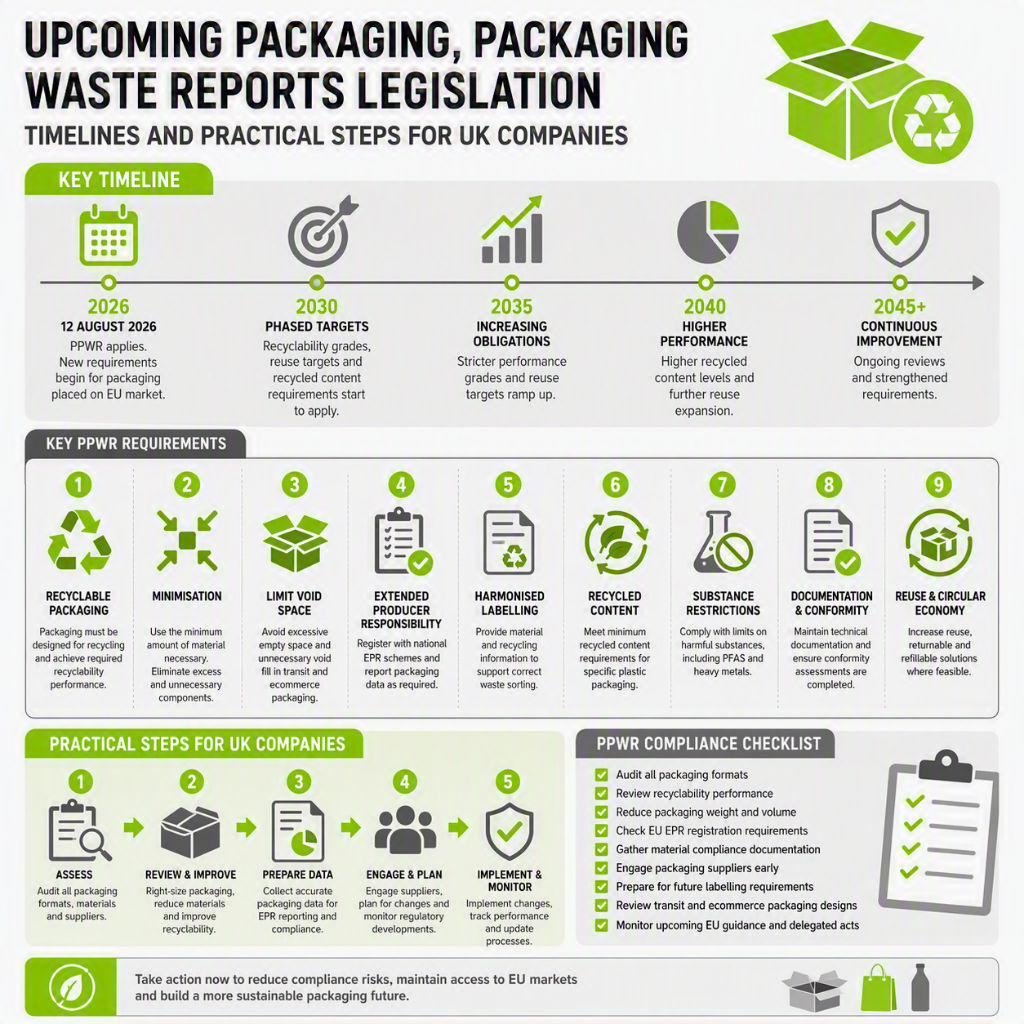
Regulation (EU) 2025/40 replaces the previous Packaging and Packaging Waste Directive with a harmonised regulatory framework that applies directly across all EU member states. The regulation covers all packaging types, including primary, secondary and tertiary packaging, regardless of the material used.
The regulation aims to:
-
Reduce packaging waste.
-
Improve recyclability.
-
Increase the use of recycled materials.
-
Eliminate unnecessary packaging.
-
Support the EU's circular economy objectives.
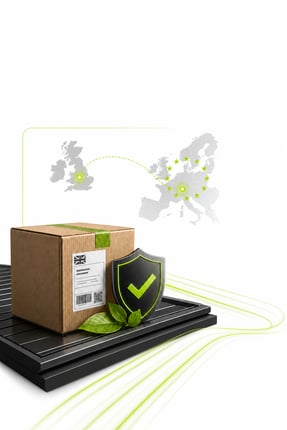
For UK exporters, this means packaging can no longer be viewed simply as a logistics or branding tool. It becomes a compliance issue directly linked to market access.
Why UK Exporters Need to Prepare for PPWR?
Many UK businesses assume that complying with UK packaging regulations and UK EPR requirements is sufficient. However, UK EPR and EU PPWR are separate legal frameworks with different obligations. Compliance with one does not automatically satisfy the other.
Any UK company placing packaged goods onto the EU market must ensure that both the product and its packaging comply with PPWR requirements, irrespective of where the business is based.
EU Extended Producer Responsibility Requirements
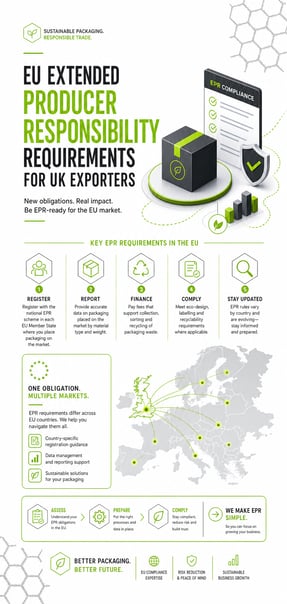
One of the biggest considerations for UK exporters is EU Extended Producer Responsibility.
Under PPWR, producers remain responsible for the environmental impact of packaging throughout its lifecycle. Businesses selling packaged products into EU countries may be required to register with national EPR schemes and provide packaging data, including:
- Packaging material types.
- Packaging weights.
- Recyclability information.
- Recycled content levels.
- Packaging volumes placed on the market.
Because EPR operates at member-state level, exporters may have different registration and reporting obligations in France, Germany, Spain, Italy and other EU markets.
Businesses should review every EU market they sell into and ensure the necessary registrations are completed before the regulation becomes applicable.

Packaging Recyclability Requirements Under PPWR
A key principle of PPWR is that packaging must be designed for recycling.
The regulation introduces recyclability requirements that will become increasingly stringent over time. Packaging placed on the EU market must be designed so it can be effectively collected, sorted and recycled, with EU-wide recyclability performance grades applying from 2030.
For exporters, this may require:
- Eliminating difficult-to-recycle packaging formats.
- Reducing mixed-material constructions.
- Reviewing plastic components.
- Improving material separation.
- Working closely with packaging suppliers to confirm compliance.
Businesses using complex packaging structures should conduct packaging audits now to identify potential risks ahead of future recyclability requirements.
Packaging Minimisation and Void Space Rules
PPWR places greater emphasis on the reduction of unnecessary packaging.
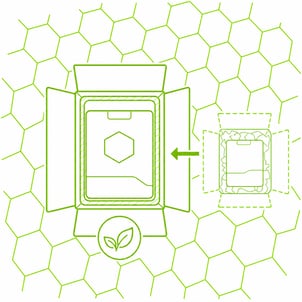
Packaging must be designed to minimise weight and volume while maintaining product protection, safety and functionality. The regulation specifically targets excessive packaging designed to make products appear larger than they are.
For ecommerce exporters, this is particularly important. Future requirements include limits on excess void space within transport packaging, encouraging businesses to optimise carton sizing and reduce unnecessary fillers.
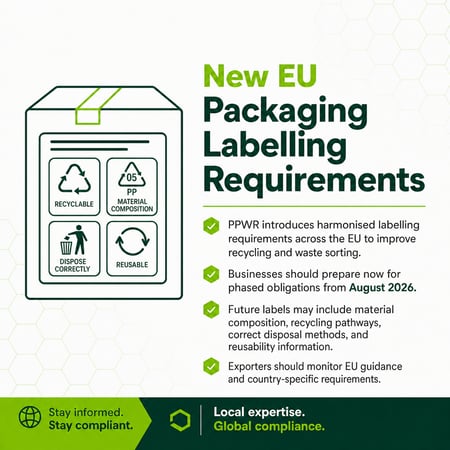
New EU Packaging Labelling Requirements
PPWR introduces harmonised labelling requirements across the EU to improve recycling and waste sorting.
Although many labelling obligations are scheduled to phase in after the initial August 2026 implementation date, businesses should begin preparing now, particularly if packaging artwork updates are already planned.
Future labelling requirements are expected to include information that helps consumers understand:
- Material composition.
- Recycling pathways.
- Correct disposal methods.
- Reusability information where applicable.
Exporters should monitor EU guidance and country-specific requirements to ensure packaging artwork remains compliant as further implementing acts are introduced.
REACH, Heavy Metals & Material Composition Compliance
To support PPWR compliance, you need to obtain and retain technical documentation and compliance evidence for the packaging products you supply.
This information includes:
-
REACH Compliance confirmation in accordance with Regulation (EC) No. 1907/2006.
-
Heavy Metal Testing confirming that total heavy metal content remains below the regulatory limit of 100 ppm.
-
Material Composition Data detailing the materials used within each product, including paper, plastic, inks, adhesives, and other components.
-
Restricted Substance Declarations, including confirmation of whether substances such as PFAS or Bisphenols have been intentionally added during manufacture.
-
Recycled Content and Recyclability Information to support circular economy and sustainability requirements under PPWR.
This documentation enables you to issue customer-facing Declarations of Conformity and demonstrate compliance with applicable PPWR requirements.


What PPWR Means for Corrugated Packaging
Corrugated packaging is well positioned under PPWR due to its strong recycling performance and established collection infrastructure throughout Europe.
However, corrugated packaging still needs to demonstrate compliance with key PPWR principles, including:
- Packaging minimisation.
- Recyclability.
- Avoidance of unnecessary empty space.
- Accurate packaging data reporting under EPR schemes.
UK exporters should review:
- Oversized shipping cartons.
- Excessive void fill.
- Multi-material packaging combinations.
- Non-recyclable coatings and laminates.
- Opportunities to increase recycled fibre content.
Many organisations are already moving towards right-sized corrugated packaging solutions to reduce waste, improve sustainability performance and minimise future compliance risks.
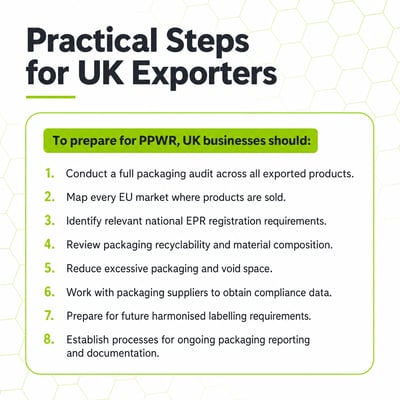
Practical Steps for UK Exporters
To prepare for PPWR, UK businesses should:
- Conduct a full packaging audit across all exported products.
- Map every EU market where products are sold.
- Identify relevant national EPR registration requirements.
- Review packaging recyclability and material composition.
- Reduce excessive packaging and void space.
- Work with packaging suppliers to obtain compliance data.
- Prepare for future harmonised labelling requirements.
- Establish processes for ongoing packaging reporting and documentation.

How Allpack Can Support Your PPWR Compliance
Allpack can help UK exporters prepare for PPWR by reviewing existing packaging formats, identifying opportunities to reduce waste, and supporting the move towards right-sized, recyclable and commercially practical packaging solutions. From corrugated packaging reviews to material advice and packaging process support, Allpack works with businesses to align packaging choices with evolving EU packaging compliance requirements.
Whether your business ships ecommerce orders, retail-ready packaging, industrial goods or palletised consignments into the EU, early packaging reviews can help reduce compliance risk, improve sustainability performance and support uninterrupted access to European markets.
Need help preparing for PPWR? Contact Allpack to discuss packaging audits, corrugated packaging optimisation and EU packaging compliance support for your export operations.
The Bottom Line for UK Exporters
The introduction of PPWR marks a fundamental shift in how packaging is regulated within the EU. From August 2026, UK exporters will need to demonstrate that their packaging meets stricter expectations around recyclability, waste reduction, producer responsibility and product information.
Businesses that act early by auditing packaging formats, reviewing corrugated packaging performance, and understanding their EU EPR obligations will be better positioned to maintain uninterrupted access to EU markets while supporting broader sustainability goals.

PPWR FAQs for UK Exporters
Does PPWR apply to UK exporters?
Yes. UK businesses selling packaged goods into the EU must comply with PPWR where packaging is placed on the EU market, even if the business, packaging supplier or manufacturing site is based outside the EU.
When does PPWR apply from?
PPWR entered into force in 2025 and will generally apply from 12 August 2026, with some obligations phased in later through implementing acts and future deadlines.
What packaging data will UK exporters need for EU EPR?
Exporters may need to provide data such as packaging material type, weight, recyclability, recycled content and the volume of packaging placed on the market in each relevant EU member state.
How does PPWR affect corrugated packaging?
Corrugated packaging is generally well aligned with PPWR because of its strong recyclability and established collection infrastructure, but exporters should still review carton sizing, void fill, coatings, laminates and packaging data requirements.
What should UK exporters do before August 2026?
UK exporters should audit packaging, map EU markets, confirm EPR registrations, review recyclability, reduce unnecessary packaging and work with suppliers to collect reliable packaging compliance data.
Please note: This article is intended as general guidance only and does not constitute legal advice. Packaging regulations and compliance requirements may vary depending on your products, supply chain, and target markets. For advice specific to your business, please speak with your regulatory support team or compliance adviser. Date created – 11 8 26
